
Get Chimney Inspection Service in Lansing, IL
Chimney Inspection Service providers in Lansing, IL and nearby areas identify and resolve issues like creosote buildup, blockages, cracks, and structural damage through comprehensive inspections and repairs.
Chimney inspection services provide property owners in Lansing, IL with a comprehensive assessment of their chimney systems, ensuring they operate safely and efficiently. Regular inspections help identify potential issues such as cracks, blockages, or deterioration that could compromise safety or cause damage over time. By addressing these concerns early, homeowners can enjoy peace of mind, knowing their chimney functions properly and reduces the risk of costly repairs or dangerous situations like chimney fires or carbon monoxide leaks.
In addition to safety, chimney inspections contribute to maintaining the durability and appearance of a property. Well-maintained chimneys enhance curb appeal and can extend the lifespan of the entire system, reducing the need for frequent repairs. Property owners often seek these services to improve overall comfort and ensure their heating equipment operates smoothly, especially during colder months. Engaging experienced local service providers can help uphold the functionality and longevity of a chimney while preserving the aesthetic appeal of the home.
- Chimney Inspection - needed when homeowners notice smoke backup or unusual odors during fireplace use.
- Chimney Flue Inspection - recommended after chimney repairs or before installing a new heating appliance.
- Routine Chimney Checks - advised for properties in areas with frequent weather changes that can cause chimney damage.
- Pre-Season Chimney Inspection - essential before the winter months to ensure safe and efficient fireplace operation.
- Emergency Chimney Inspection - required when there is visible damage or debris blockage after storms or fire-related incidents.
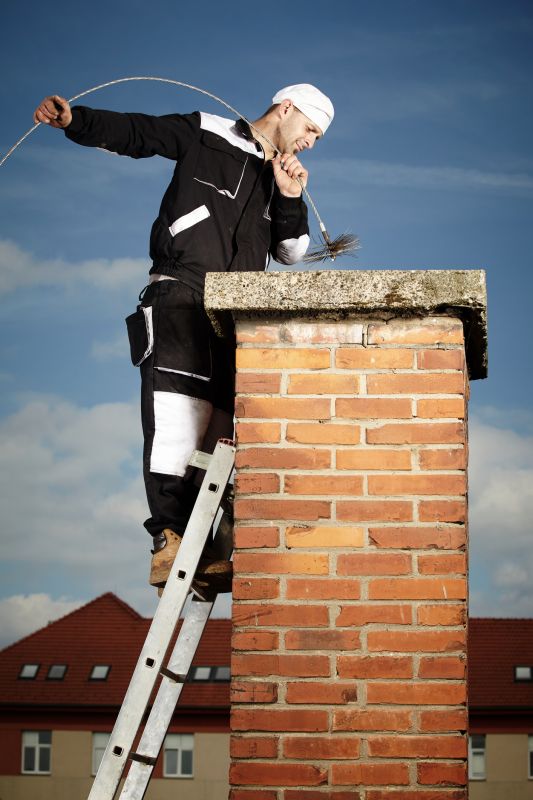
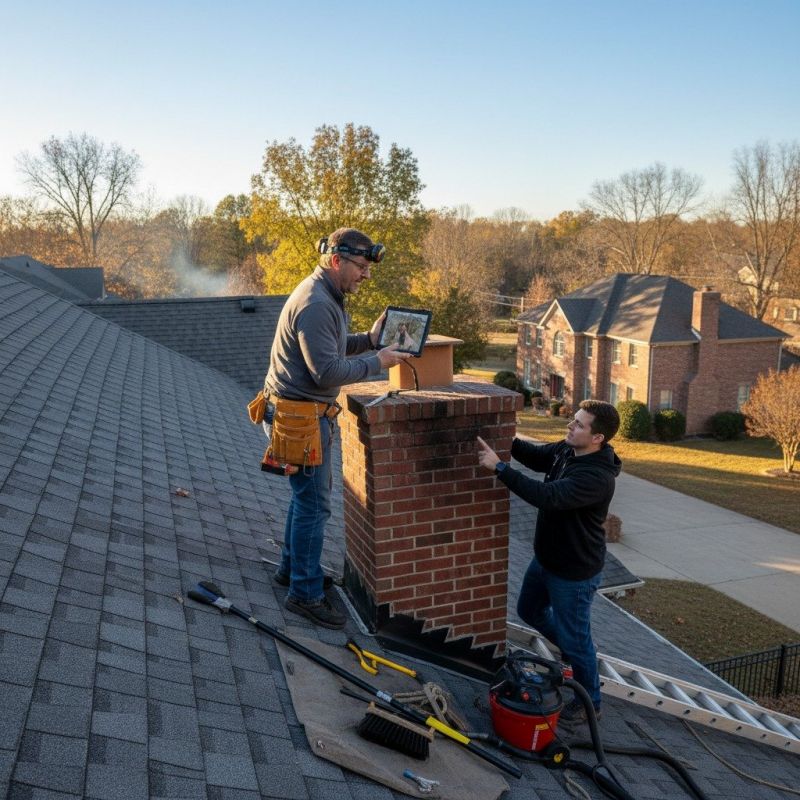
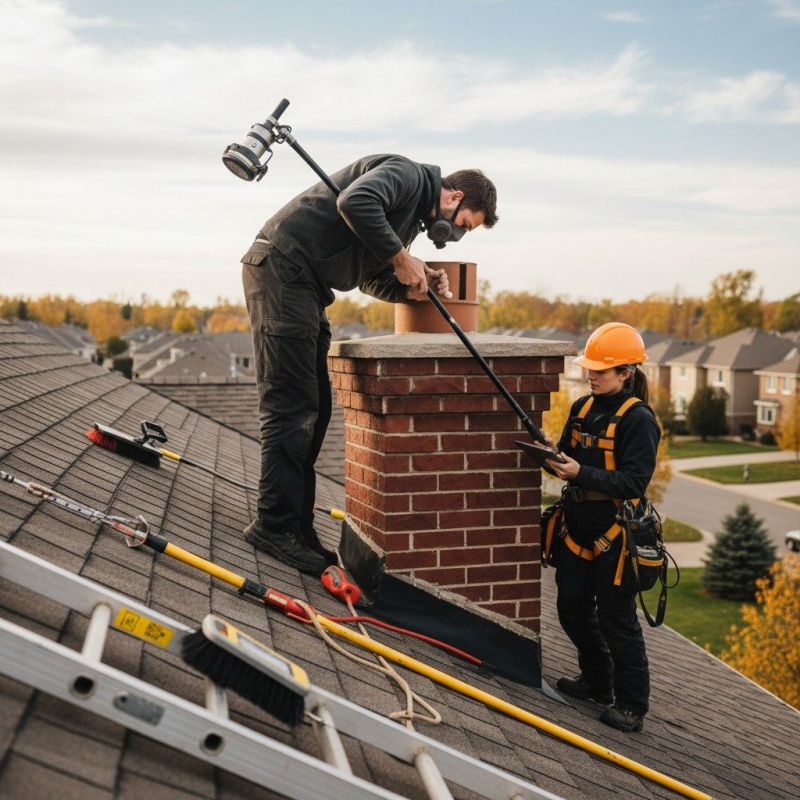
Chimney inspection services involve a thorough examination of a chimney’s structure, components, and overall condition. Professionals use specialized tools and techniques to assess the interior and exterior of the chimney, checking for cracks, blockages, creosote buildup, and signs of deterioration. This process helps identify potential issues before they develop into more serious problems, ensuring that the chimney operates safely and efficiently. Regular inspections can also reveal early signs of damage caused by weather, aging, or improper installation, allowing property owners to address concerns proactively.
One of the primary purposes of chimney inspections is to prevent fire hazards. Creosote buildup, which results from the combustion of wood or other fuels, is highly combustible and can ignite if not properly removed. Additionally, inspections can uncover structural issues such as cracked or damaged flue liners, loose masonry, or compromised chimney crowns that could lead to leaks or water intrusion. Addressing these problems early can help avoid costly repairs and reduce the risk of chimney fires or carbon monoxide leaks, contributing to the safety of the property’s inhabitants.
Chimney inspection services are commonly used for residential properties, including single-family homes, townhouses, and condominiums. These inspections are particularly important when purchasing a new home, as they can reveal hidden issues that might not be immediately apparent. They are also recommended for homes with older chimneys or those that have not been inspected in several years. Commercial properties, such as restaurants or multi-unit buildings with multiple fireplaces or heating systems, also benefit from regular chimney evaluations to maintain safety standards and ensure compliance with local regulations.
Professionals performing chimney inspections typically tailor their services to the specific needs of each property. For example, homes that frequently burn wood may require more detailed creosote removal assessments, while older buildings might need structural evaluations of the chimney’s integrity. Inspections can be scheduled as part of routine maintenance, pre-purchase evaluations, or after severe weather events that could potentially damage the chimney. Contacting local service providers ensures that property owners receive expert assessments to maintain the safety, efficiency, and longevity of their chimneys.
The overview below groups typical Chimney Inspection Service projects into broad ranges so you can see how smaller, mid-sized, and larger jobs often compare in Lansing, IL.
In many markets, a large share of routine jobs stays in the lower and middle ranges, while only a smaller percentage of projects moves into the highest bands when the work is more complex or site conditions are harder than average.
Inspection Fees - The cost for a chimney inspection typically ranges from $100 to $300, depending on the scope and complexity. Basic visual inspections are usually on the lower end, while comprehensive assessments may be higher. Local pros can provide precise quotes based on specific needs.
Chimney Cleaning Costs - Cleaning services generally cost between $150 and $400, with prices influenced by chimney size and condition. Regular cleaning helps prevent buildup and potential fire hazards, with prices varying by location and service provider.
Repair Estimates - Repair costs for chimney issues can range from $200 to over $1,000, depending on the extent of damage or needed restoration. Minor repairs are usually less expensive, while extensive work may require a detailed estimate from a local specialist.
Additional Service Charges - Extra services such as liner installation or waterproofing can add $300 to $2,500 to the total cost. These services are often recommended based on inspection findings and can vary widely by project scope and local pricing.
Actual totals will depend on details like access to the work area, the scope of the project, and the materials selected, so use these as general starting points rather than exact figures.
Chimney Inspection - Local pros offer comprehensive chimney inspections to identify potential issues and ensure safety. These services help maintain the proper functioning of chimneys and prevent costly repairs.
Visual Chimney Checks - Visual inspections by experienced contractors assess the exterior and accessible interior components of chimneys. They help detect damage, blockages, or deterioration that may require attention.
Flue and Vent Inspection - Service providers examine flues and vents to verify proper installation and condition. This ensures efficient operation and reduces the risk of hazardous buildup.
Chimney Crown and Masonry Inspection - Professionals evaluate the integrity of chimney crowns and masonry work to prevent water intrusion and structural issues. Timely assessments can prolong chimney lifespan.
Video Chimney Inspection - Advanced video inspection services allow for detailed internal examinations of chimneys, especially in hard-to-reach areas. This helps pinpoint problems that are not visible externally.
Pre-Purchase Chimney Inspection - Inspectors assess chimneys during property transactions to inform buyers of potential repair needs. This service supports informed decision-making for real estate purchases.
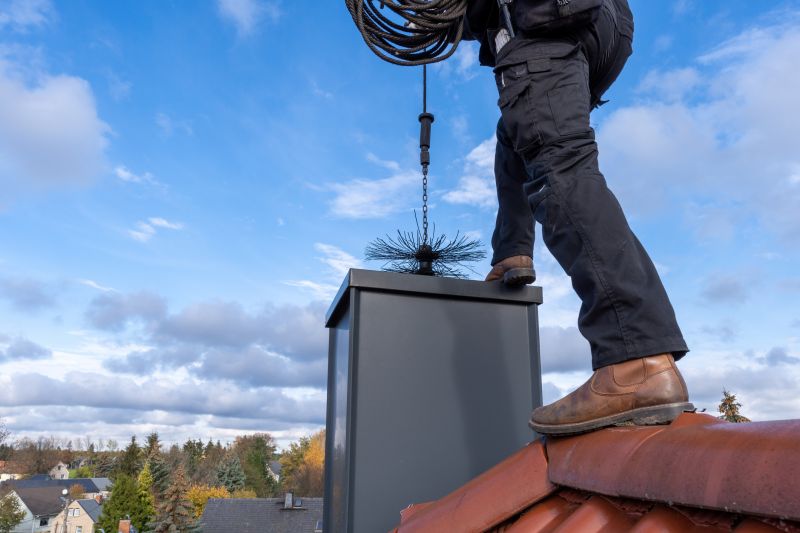
When comparing local pros for chimney inspection services, experience is a key factor to consider. Homeowners should look for providers with a proven track record in conducting thorough inspections, ensuring they are familiar with different chimney types and common issues. Reputable references or reviews from previous clients can offer insights into the quality of service and reliability of the contractor, helping homeowners make more informed decisions. While the site introduces various local options, it is important to verify each provider’s experience and reputation directly through their testimonials or references.
Clear communication and written expectations are essential when engaging with a chimney inspection service. Homeowners should seek providers who are transparent about their inspection process, what is included, and any potential follow-up actions. Establishing open lines of communication helps ensure that homeowners understand the scope of work and can ask questions or express concerns before the inspection begins. Although the site connects users with local professionals, it is recommended to contact the selected provider to confirm their communication practices and clarify what to expect during the service.
Since the site is a neutral lead-generation resource, it does not perform the work itself but connects homeowners with local pros for chimney inspection services. Homeowners are encouraged to evaluate each contractor’s experience, references, and communication style to find the best match for their needs. By doing so, they can select a reputable provider who aligns with their expectations and ensures the inspection process is handled professionally and thoroughly. This approach helps facilitate a smooth, informed experience when scheduling chimney inspection services in Lansing, IL, or nearby areas.
Property owners in Lansing, IL use Chimney Inspection Service services for practical projects around their homes and businesses. The sections below highlight everyday jobs and straightforward project options.
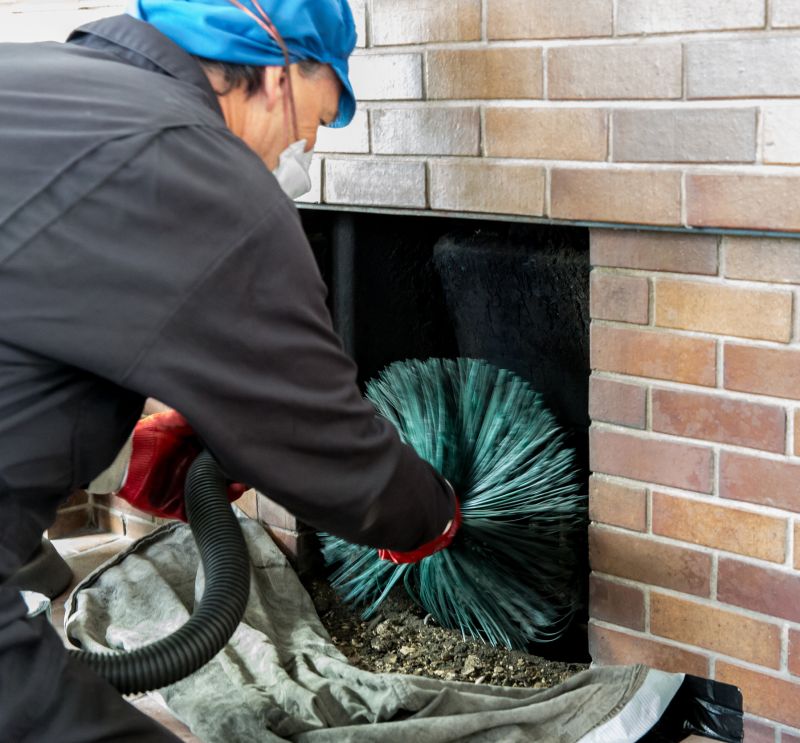
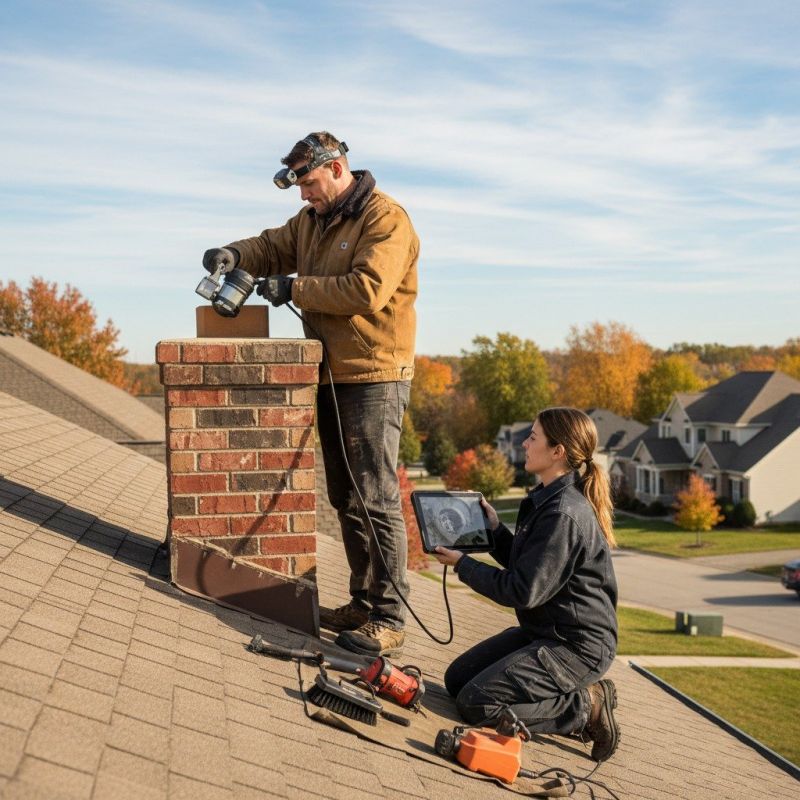
Chimney inspection services are commonly sought by property owners in Lansing, IL to ensure their fireplaces and heating systems operate safely and efficiently. Regular inspections can help identify issues such as creosote buildup, blockages, or structural damage that may not be immediately visible. Homeowners often request these services when preparing for the colder months or after noticing signs like smoke backing up or unusual odors during use.
Additionally, property owners may look for chimney inspections following renovations, repairs, or storm events that could impact the chimney’s integrity. Routine inspections can also be part of ongoing maintenance plans to prevent costly repairs and maintain the safety of the home. Local service providers can assist with thorough evaluations to help keep chimneys in proper condition.
What is involved in a chimney inspection? A chimney inspection typically includes checking the interior and exterior of the chimney for damage, blockages, creosote buildup, and structural issues. Local service providers can perform a thorough assessment to identify potential problems.
How often should I have my chimney inspected? It is recommended to have a chimney inspected at least once a year, especially before the heating season begins, to ensure safety and proper functioning.
What are common signs that my chimney needs inspection? Signs include visible damage, strong odors, smoke backup, or reduced draft during use. Contact local pros for a professional assessment if these issues occur.
Does a chimney inspection include cleaning? Not necessarily. An inspection assesses the condition of the chimney; cleaning may be a separate service provided by local specialists if buildup or obstructions are found.
What types of chimney inspections are available? There are different levels of inspections, such as basic visual checks and more detailed examinations using cameras, depending on the condition and age of the chimney. Local service providers can advise on the appropriate level.
Chimney Inspection Services - Professional chimney inspectors evaluate the condition of chimneys to identify potential issues before they become costly repairs.
Visual and Structural Assessments - Service providers perform thorough visual inspections to assess the integrity of chimney components and detect obstructions.
Safety and Code Compliance Checks - Local pros ensure chimneys meet safety standards and code requirements through detailed inspections.
Maintenance Recommendations - Inspectors provide guidance on necessary repairs or cleaning to maintain chimney performance and safety.
Considering Chimney Inspection Service for a property in Lansing, IL? The sections above highlight common project types, practical options, and details that often shape the scope of work.
When you are ready, use the quote form to share a few details about your project. Local pros can review the basics and respond with options that match what you have in mind.